
Your gut is far more than a digestive organ. It is home to trillions of microorganisms, the so-called microbiome, which interacts with your digestion, your immune system and even your mood. Through the gut-brain axis, your gut and nervous system are in constant communication. That explains why stress so often “hits your stomach”, and why your diet also matters for your nervous system.
The good news: you don’t have to cook anything complicated. Two things particularly support your gut flora:
- Fiber and prebiotics: they serve as food for your gut bacteria (legumes, oats, flaxseed, onions, leeks, berries, whole grains).
- Fermented foods: they provide live cultures (plain yogurt, kefir, sauerkraut, kimchi, miso).
Variety also seems to matter: the more varied the plant foods you eat, the more diverse your microbiome tends to be. Here are five recipes that bring all of this together.
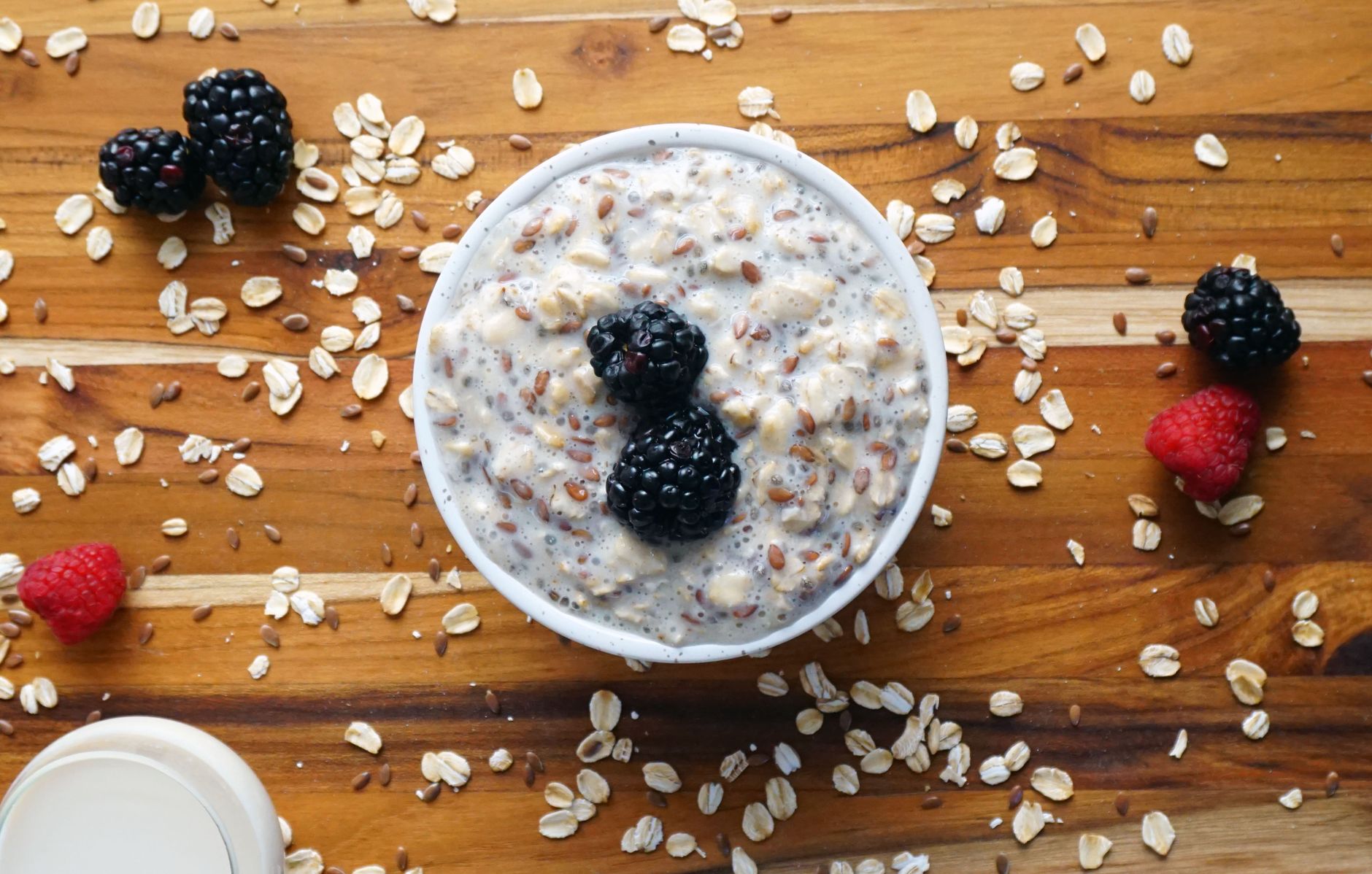
1. Kefir overnight oats with berries and flaxseed
Ingredients (1 serving): ½ cup (40 g) quick oats, ⅔ cup (150 ml) kefir (or plain yogurt), 1 tbsp ground flaxseed, 1 tsp chia seeds, a handful of berries, optionally 1 tsp honey or maple syrup
How to make it: Stir the oats, kefir, flaxseed and chia seeds together in a jar. Let them soak overnight in the fridge. In the morning, top with berries.
Why it’s good for you: Oats provide beta-glucans, flaxseed and chia provide plenty of fiber, and kefir brings live cultures.
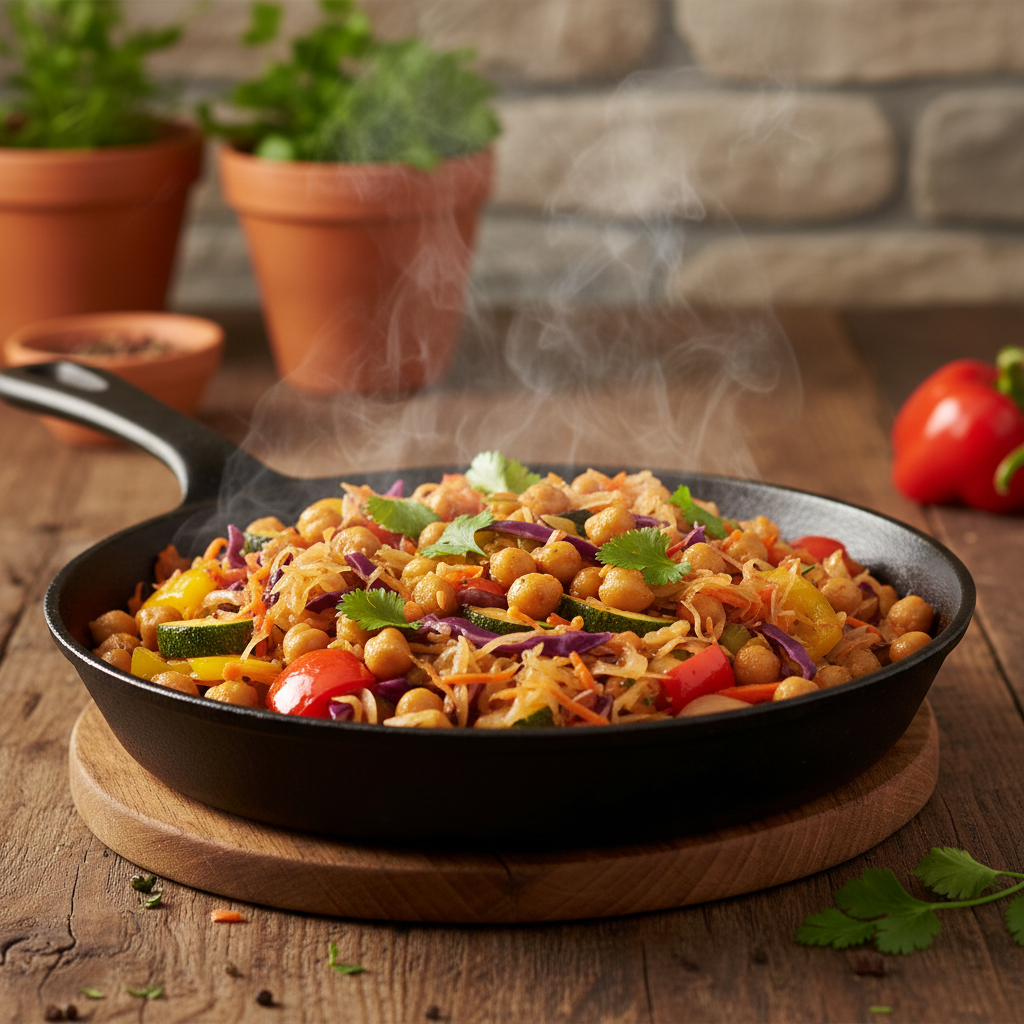
2. Chickpea vegetable pan with sauerkraut
Ingredients (2 servings): 1 can of chickpeas, 1 onion, 1 zucchini, 1 bell pepper, 1 tbsp olive oil, 1 tsp turmeric, 1 tsp cumin, 3 tbsp raw sauerkraut (from the refrigerated section), salt, pepper
How to make it: Sauté the onion and vegetables in olive oil, add the chickpeas and spices and cook for 8 to 10 minutes. Take the pan off the heat and stir in the sauerkraut only at the very end.
Tip: Heated sauerkraut loses its live cultures. So use raw, unpasteurized sauerkraut and add it only on the plate.
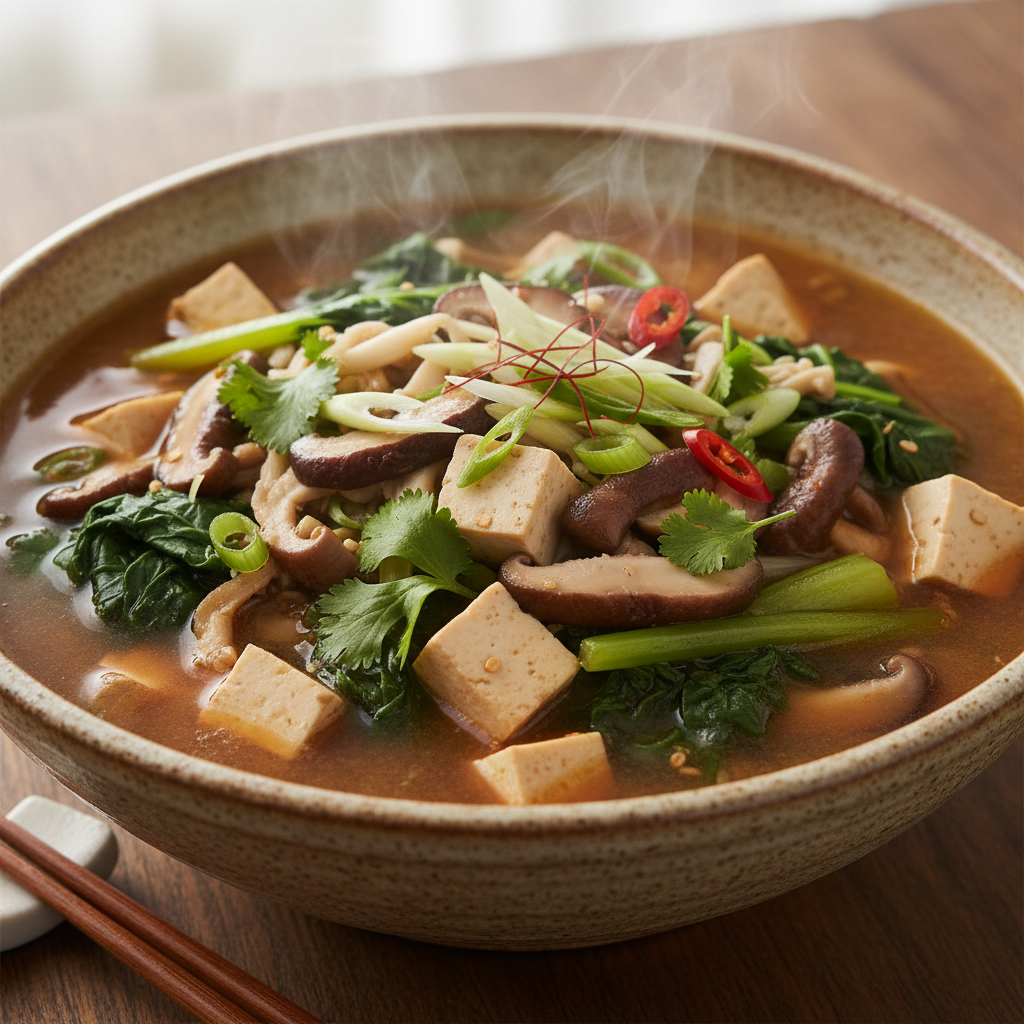
3. Miso soup with lots of vegetables
Ingredients (2 servings): 2½ cups (600 ml) vegetable broth, 1 carrot, a handful of mushrooms, 1 scallion, 3.5 oz (100 g) cubed tofu, 1 to 2 tbsp white miso paste, some spinach
How to make it: Simmer the broth with the carrot and mushrooms for 5 minutes. Add the tofu and spinach. Take the pot off the heat, stir the miso into a little broth in a cup until smooth and add it back to the soup. Don’t let it boil again.
Why it’s good for you: Miso is fermented. Here, too: don’t boil it, so the cultures are preserved. Miso is quite salty, though, so use it sparingly.
4. Oven-baked sweet potatoes with yogurt herb dip
Ingredients (2 servings): 2 sweet potatoes, 1 tbsp olive oil, salt, ⅔ cup (150 g) plain yogurt, 1 tbsp lemon juice, 1 garlic clove, fresh herbs (parsley, chives), 2 tbsp walnuts
How to make it: Wash the sweet potatoes, cut them into wedges and bake with oil and salt at 400 °F (200 °C) for about 30 minutes. Stir the yogurt with lemon juice, garlic and herbs. Serve with walnuts.
Why it’s good for you: When cooked potatoes cool down, resistant starch forms, which also feeds your gut bacteria. The sweet potatoes taste great cold as a salad, too.

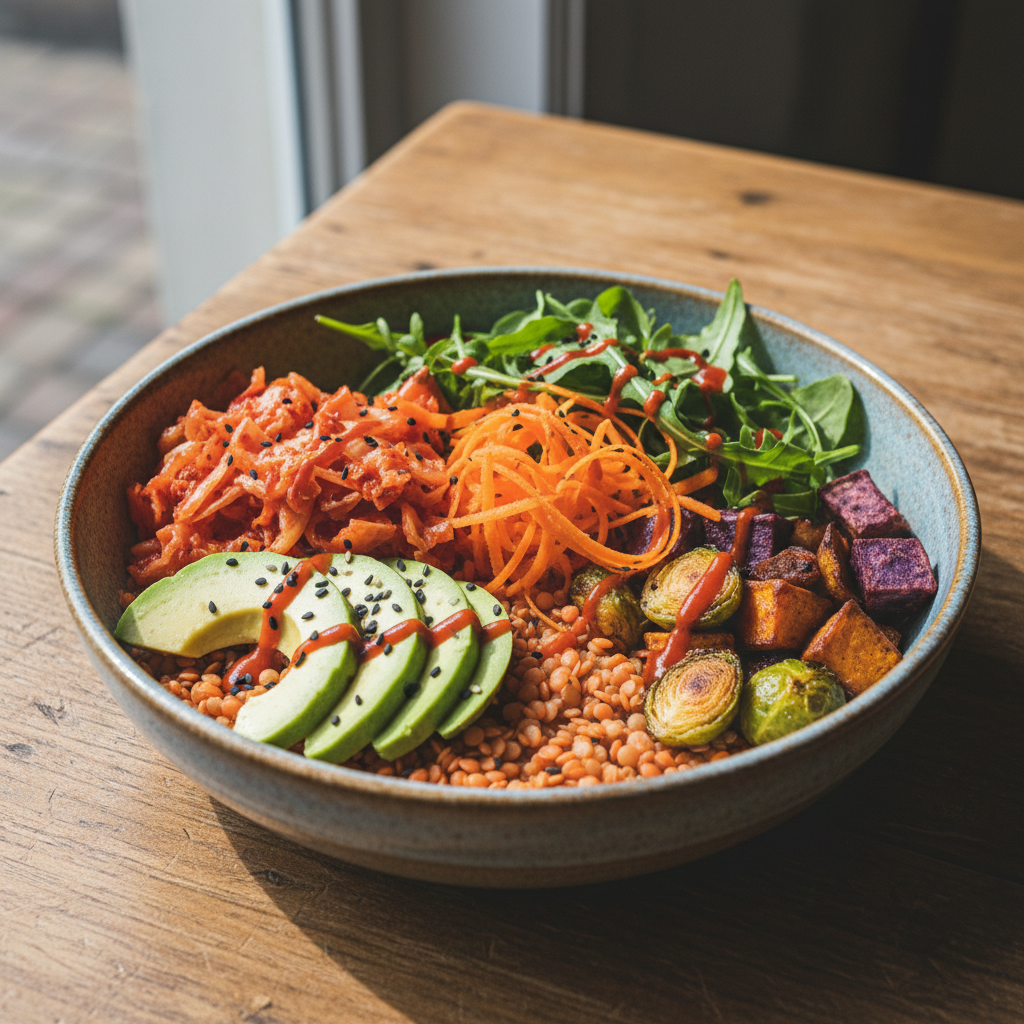
5. Lentil bowl with kimchi and vegetables
Ingredients (2 servings): ¾ cup (150 g) red or green lentils, 1 carrot, a handful of arugula or spinach, 1 avocado, 3 to 4 tbsp kimchi, 1 tbsp olive oil, 1 tbsp lemon juice, sesame seeds
How to make it: Cook the lentils according to the package instructions and let them cool. Grate the carrot and dice the avocado. Arrange everything in a bowl, drizzle with oil and lemon juice and add the kimchi.
Why it’s good for you: Lentils are rich in fiber and plant protein, and kimchi adds fermented variety.
What to keep in mind when you start
- Increase slowly: If you haven’t eaten much fiber so far, a lot at once can cause bloating. Give your gut one to two weeks.
- Drink enough: Fiber needs fluid.
- Go easy on fermented foods: Start with small amounts. People with histamine intolerance or a sensitive gut sometimes tolerate fermented foods less well.
- No substitute for medical advice: Persistent symptoms (such as IBS, chronic digestive problems or blood in your stool) should be checked by your doctor.
Your gut and your nervous system belong together
If you’re under constant stress, your gut reacts too. Diet is one building block, but not the only one: sleep, movement and moments of real relaxation are just as much a part of it.
Part of the Circle: Why your body never switches off under constant stress is something you can explore on Heal your Mind, where you’ll find articles on stress, your nervous system and emotional healing.
Leave a Reply